The SpDrS-64-JŽ signalling and safety system is based on the German SpDrS-60 system and is designed to ensure reliable railway traffic control in stations and on interstation sections.
The system represents a proven and long-term stable solution for traffic management and control under various infrastructure conditions.
-----
Solutions Adapted to Different Station Capacities
Depending on traffic intensity and the number of tracks, additional system solutions have been developed:
- FSU-90 – for railway stations with lower traffic intensity (up to 2 tracks)
- KSS-94 – coordinate signalling and safety system for stations with up to 4 tracks
This modular approach enables optimal technical and economic solutions for each type of railway station.
-----
Compliance with Standards
All signalling and safety devices comply with applicable railway standards and regulations, ensuring a high level of safety, reliability, and system interoperability.
-----
System Structure
The SpDrS-64-JŽ signalling and safety system consists of:
- Indoor equipment
- Outdoor equipment
The integration of these components provides a complete technical solution for railway traffic control and management.
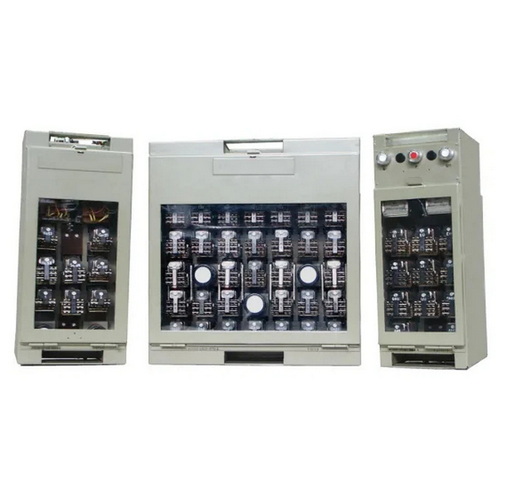
Relay Groups
The devices are standardised according to their operational function: signal, point, track, lineside balise, interlocking dependency, half-barrier, APB (Automatic Block Signalling) dependency relay groups, and so on. Each group type is installed on a designated rack, in a specifically coded slot. The relay groups are of the plug-in type, with their front side protected by a glass panel against external influences, through which the internal status of the group can be visually monitored.
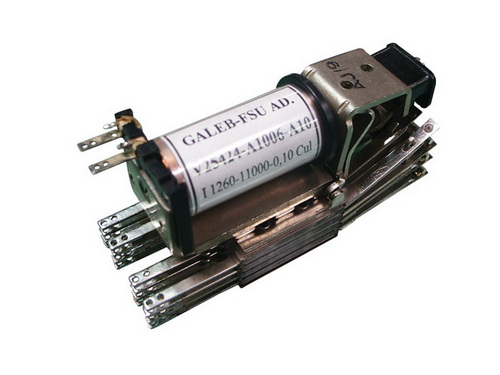
Relays
The FSU K-50 relay ensures the proper functioning of all elements within an electrical circuit where stringent reliability requirements are imposed on the relay. The typical application of the FSU K-50 relay is its installation in relay groups that implement the SpDrS-64-JŽ functionality.
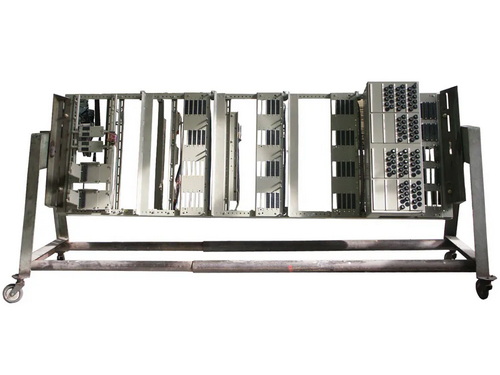
Relay Frames
The relay frames are mounted on supports and fixed to the floor and walls of the room. On the upper side of the relay frames supports, standardised constructional units are installed, pre-wired and adapted to accommodate specific relays and relay groups. They are secured by supports, with multi-level cable runways provided for cable routing. The relay frames are connected via cables to the intermediate distribution frame and the main distribution frame.
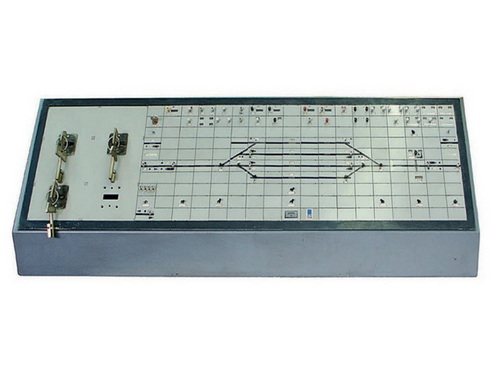
Control Panel (Command Console)
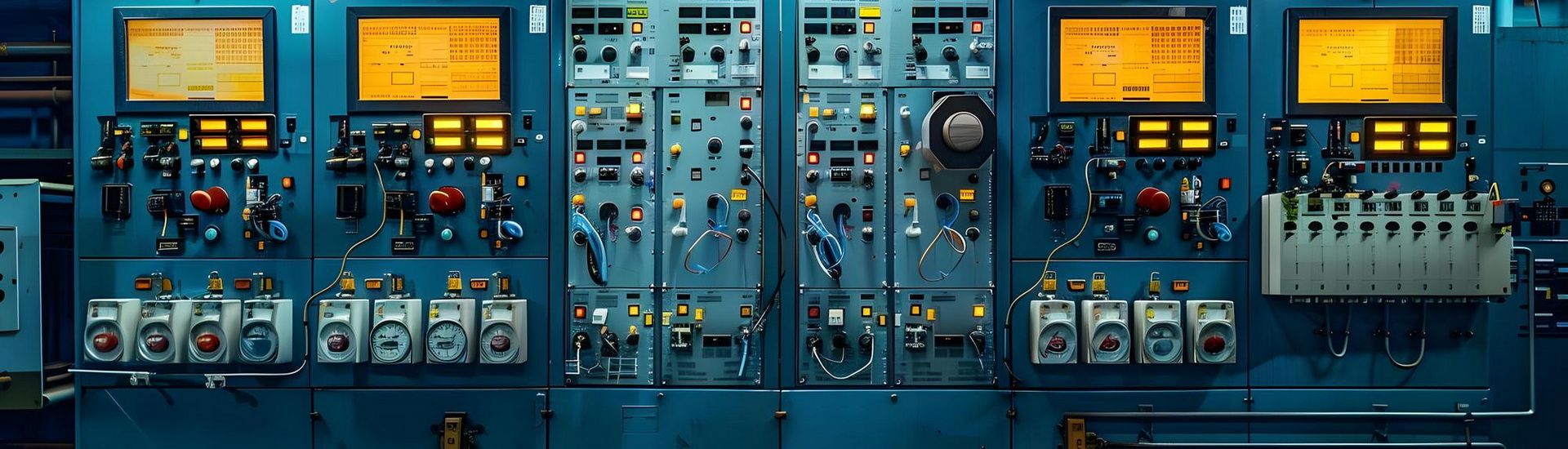
The signalling and safety devices are operated via a control desk, that is, a control console (panel), which enables centralised control of all main and shunting signals, points, derailers, and routes for train entry and exit, through-passage, and the shunting of trains and shunting movements.
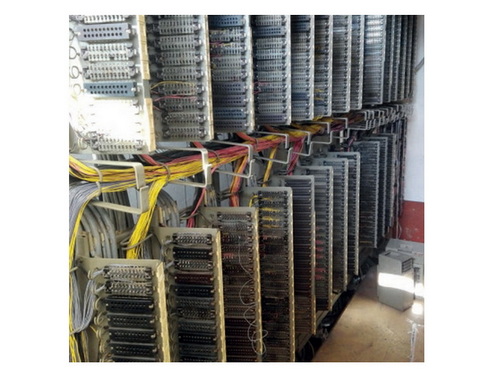
Intermediate Distribution Frame
The intermediate distribution frame is a key assembly in railway traffic safety systems, designed for the centralised connection, distribution, and orderly arrangement of all internal cabling within signalling and safety installations. Its primary function is the cross-connection and organisation of cables originating from the relay racks, the control desk, the power supply units, as well as other functional subsystems of the installation.