Automatic Level Crossing Protection Systems
Automatic level crossing protection systems are designed to secure locations where road and railway traffic intersect at the same level.
Their primary function is to provide timely warning to road users about an approaching train and to ensure maximum safety at the crossing.
The system automatically detects the arrival of a train and activates the appropriate light and acoustic signalling, thereby preventing hazardous situations and increasing the safety of all traffic participants.
__________________________________________________________
System Types
Automatic level crossing protection systems can be:
- Relay-based systems
- Electronic systems
The choice of system depends on the technical requirements of the railway line, traffic intensity, and the specific characteristics of the location.
_________________________________________________________
Safety and Reliability
All devices, together with their key components, comply with applicable regulations and standards in the field of railway and road traffic safety.
They are designed to provide:
✔ High level of operational reliability
✔ Long-term operation in outdoor conditions
✔ Easy maintenance
✔ Maximum safety for all traffic participants
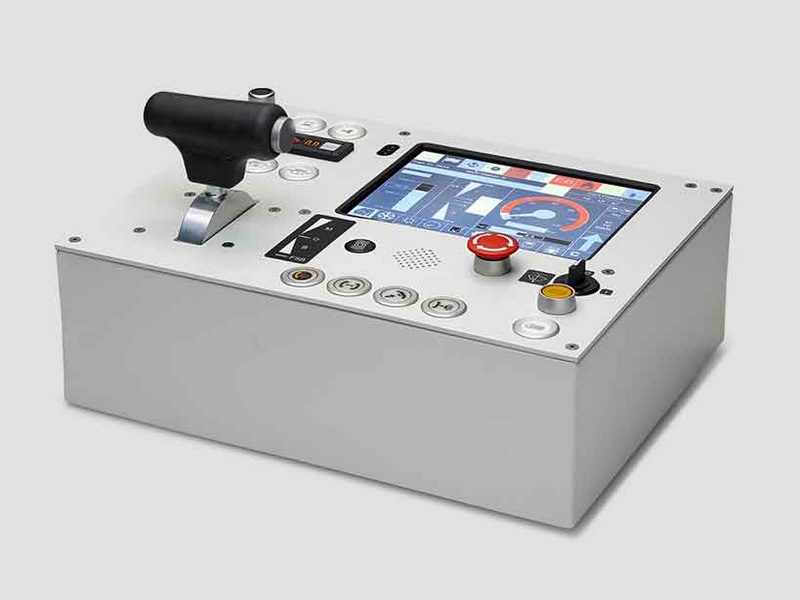
Level Crossing Indoor Equipment
The indoor equipment of a level crossing includes all control and power supply elements that enable reliable operation of the level crossing protection system.
This equipment is installed in a relay room or a dedicated cabinet and represents the central point for control and monitoring of crossing operations.
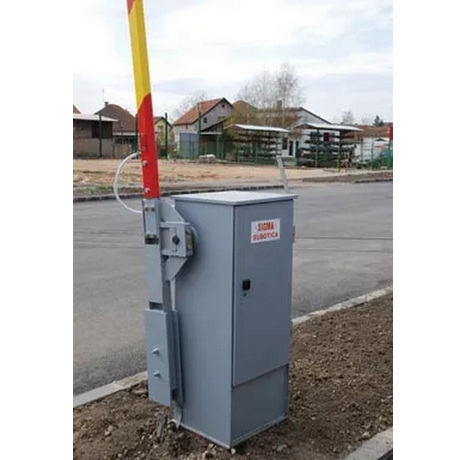
Outdoor Equipment for Level Crossing Protection
The electrically powered level-crossing barrier serves to provide additional traffic safety at at-grade crossings of railway lines with roads. The barrier control unit (DM100) is used for monitoring system operation and verifying the operational integrity of the PPB 660A barrier. Indications in the event of a boom (barrier arm) breakage are provided by means of visual and audible signals.