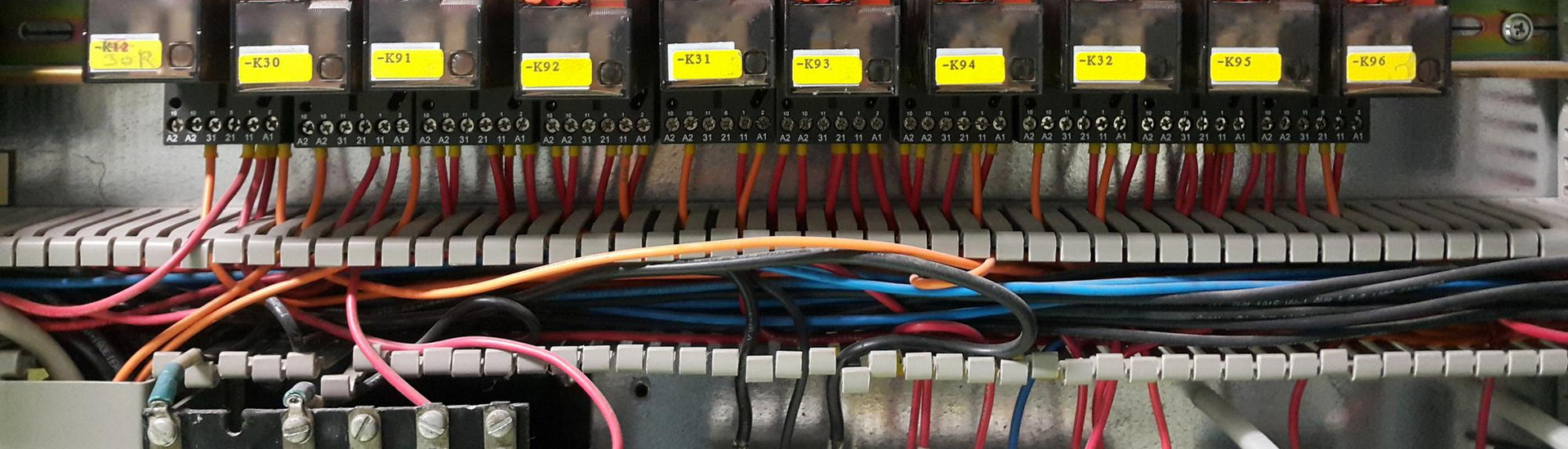
The intermediate distribution frame is a key component in railway traffic safety systems, designed for the centralized connection, distribution, and organization of internal wiring within railway signalling installations.
Its primary function is the routing and structured grouping of cables coming from:
- Relay racks
- Control panels
- Power supply units
- Other functional subsystems of the signalling system
Function and Importance
Through the intermediate distribution frame, both logical and physical separation of electrical circuits is achieved, ensuring:
- Full system transparency
- A clear connection structure
- Reduced possibility of installation errors
- Easier testing and diagnostics
- Safer interventions during system operation
In this way, the intermediate distribution frame becomes a central control point for the internal installations of the signalling and safety system.
Construction
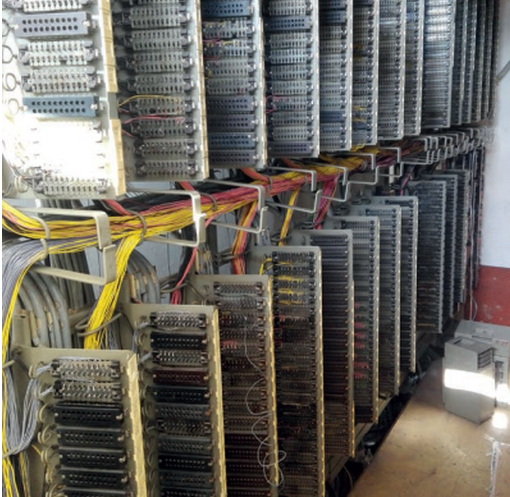
The construction of the intermediate distribution frame is designed to meet the high reliability and long-term operation requirements typical for railway infrastructure.
It most commonly consists of:
- Terminal blocks
- Clamps and connectors
- Supporting and mounting elements
The system enables safe and stable connection of conductors with different cross-sections.
All cable and terminal markings are clearly labeled and standardized, which significantly simplifies connection identification and speeds up diagnostics in the event of a fault.
Role in Operation
During system operation, the intermediate distribution frame plays an equally important role as during the installation phase, enabling:
- Safe maintenance
- Simple system modifications
- Upgrades of signalling and safety equipment
Thanks to its organizational function, it represents a key element for the reliable and long-term operation of the entire railway signalling system.